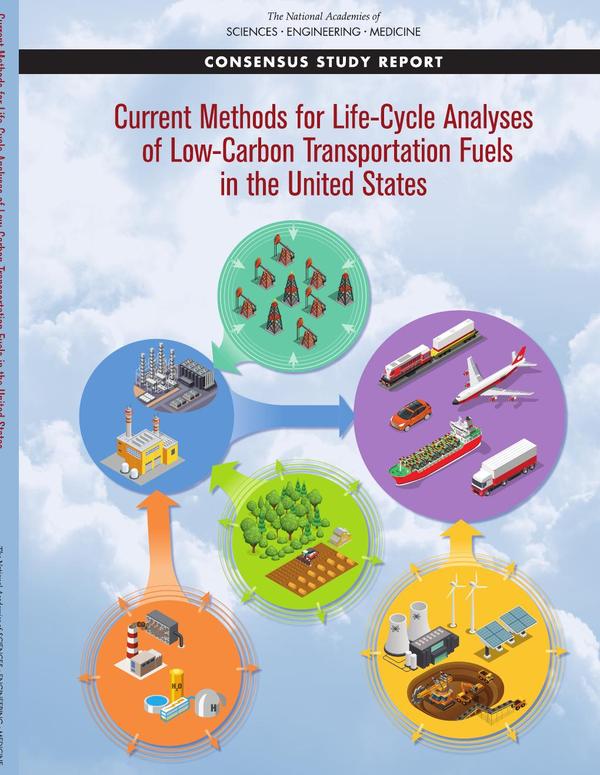
Transportation is the largest source of greenhouse gas emissions in the United States, with petroleum accounting for 90 percent of transportation fuels. Policymakers encounter a range of questions as they consider low-carbon fuel standards to reduce emissions, including total emissions released from production to use of a fuel or the potential consequences of a policy. Life-cycle assessment is an essential tool for addressing these questions. This report provides researchers and practitioners with a toolkit for applying life-cycle assessment to estimate greenhouse gas emissions, including identification of the best approach to use for a stated policy goal, how to reduce uncertainty and variability through verification and certification, and the core assumptions that can be applied to various fuel types. Policymakers should still use a tailored approach for each fuel type, given that petroleum-based ground, air, and marine transportation fuels necessitate different considerations than alternative fuels including biofuels, hydrogen, and electricity. Ultimately, life-cycle assessments should clearly document what assumptions and methods are used to ensure transparency.
Book information
- Author: Aa. Vv.
- Publisher: National Academies Press - 35
- Imprint: National Academies Press
- ISBN-13: 9780309273930
- Language: EN
- Edition: 1
- Publication date: 2022-10-26
- Pages: 236
- Format: 216 × 279 mm